What Nobody Tells You Before You Buy Your First Vape Kit
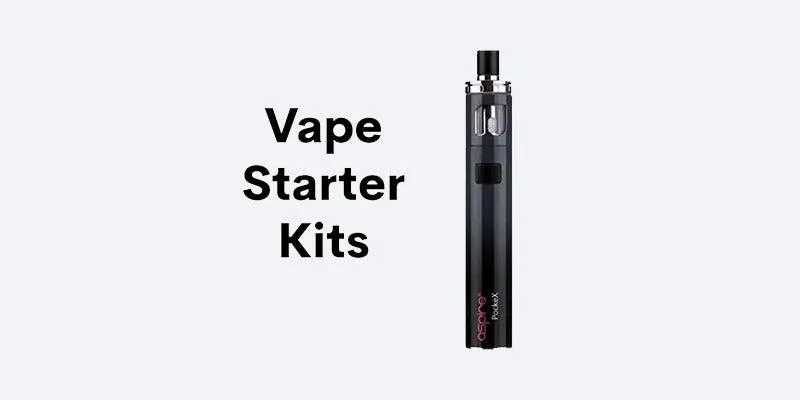
Photo: beginner vape starter kit unboxing on table, via www.gourmeteliquid.co.uk
First-time vaping purchases follow a surprisingly predictable pattern. Someone decides to make the switch, does a quick search, finds a starter kit that looks reasonably priced and comes with everything they need, buys it, uses it for a couple weeks, gets frustrated with something, and either quits entirely or buys something else. That second purchase is almost always more expensive than the first.
The beginner bundle trap isn't a myth. It's a well-worn path that the industry has quietly profited from for years. This isn't about blaming manufacturers — most starter kits are genuinely well-intentioned products. The problem is what they don't tell you, and what you don't know to ask.
Let's fix that.
The Bundle Illusion: More Isn't Always Better
Starter kits are marketed on completeness. Everything in one box. Just add juice. It's an appealing pitch, especially when you're new and don't know what you need. But "complete" bundles often include components that exist to fill out the product photo rather than to serve your actual needs.
Extra coils that aren't the right resistance for your preferred nicotine type. A USB cable that technically works but charges at the speed of geological time. A lanyard or carrying case that fits no one's actual lifestyle. Replacement glass for a tank style you might not even stick with.
None of these things are harmful inclusions, but they create a false sense of value that can push you toward a bundle that doesn't actually match how you want to vape. You pay for the bundle, not for the components you'll actually use.
The fix: Before buying any starter kit, separate what comes in the box into two categories — things you'd buy individually if you were building your own setup, and things you wouldn't. If the second list is longer than the first, the bundle is probably not the deal it appears to be.
The Coil Compatibility Trap
This is the one that gets new vapers the most often, and it's also the most expensive to discover after the fact.
Every tank or pod system uses a specific type of coil. Some brands have proprietary coil systems that only work with their hardware. Others use coils that are widely available and interchangeable across multiple devices. The difference in long-term cost between these two scenarios is significant.
When you buy a starter kit built around a proprietary coil system, you're locked into buying that brand's coils — at that brand's price — for as long as you use that device. If coil availability becomes an issue (discontinued products, stock shortages, price increases), you're stuck. If you find a coil from another brand that would work better for your preferred juice or style, you can't use it.
Before you buy: Look up the coil type the device uses. Search for it on a few different retailers. Check the price per coil and how often they typically need replacing at the wattage range you plan to run. A kit that costs $10 more upfront but uses widely available coils will almost certainly cost less over six months than a cheaper kit locked to a proprietary system.
Nicotine Strength and Device Matching: The Mismatch That Kills First Experiences
This is where a lot of new vapers have their worst early experiences, and it's almost never framed correctly in beginner content.
There are two primary nicotine formulations: freebase nicotine and nicotine salt. They behave very differently at different wattages, and pairing the wrong formulation with the wrong device creates an experience that's either completely unsatisfying or genuinely unpleasant.
High-nicotine salt e-liquids (typically 25mg to 50mg) are designed for low-wattage, mouth-to-lung devices. Pod systems and smaller MTL setups. They deliver a smooth, satisfying hit at low power without harsh throat impact.
Freebase nicotine works better in higher-wattage, direct-lung setups. At high nicotine concentrations (18mg+) in a powerful device, freebase is harsh to the point of being unvapeable for most people.
Starter kits don't always tell you which type of nicotine they're designed for. Many include a small sample bottle of e-liquid that may or may not match the device's optimal nicotine type. New vapers who get this pairing wrong often conclude that vaping just isn't for them — when the real issue is a simple chemistry mismatch.
The simple rule: If your starter kit is a pod system running under 20 watts, look for nicotine salt liquids in the 25–50mg range. If it's a larger tank-based device running above 30 watts, start with freebase nicotine at 3–6mg. Get this right and your first experience will be dramatically better.
What Actually Matters in Entry-Level Gear
Strip away the bundle filler and the marketing language, and here's what a new vaper actually needs their first device to do well:
Consistent coil performance. Your first device should be forgiving. Look for pod systems or starter kits with coils that have a wide acceptable wattage range — devices that are harder to burn are more beginner-friendly than high-performance setups that require precision.
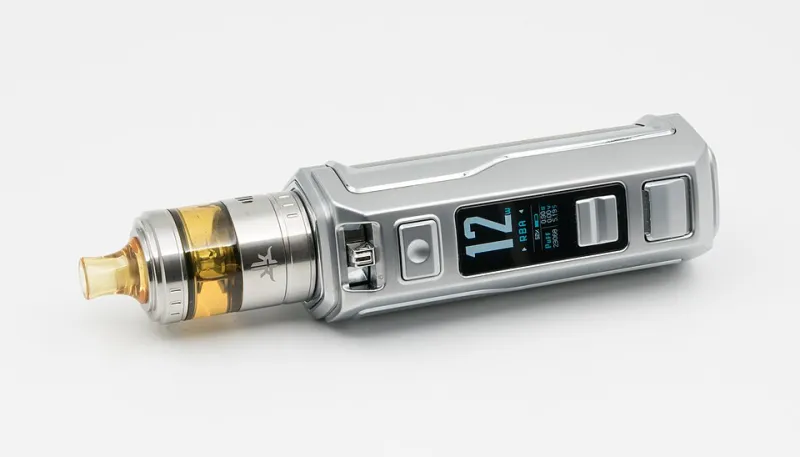
Battery life that matches your use. Think honestly about how you use your phone throughout the day. Your vape usage will roughly track that. A device with a 1500mAh battery is generally enough for most moderate users. If you're a heavy user, look for 2000mAh or higher, or a device with pass-through charging so you can use it while it charges.
Simple maintenance. Your first device should not require you to build coils, learn about wire gauges, or understand Ohm's law. Pre-built coil replacement should be straightforward — pop out, pop in, prime, done. If the coil replacement process requires a tutorial video, it's probably not the right first device.
Leak resistance. Leaking is demoralizing for new vapers. Some tanks are far better sealed than others. Look for reviews that specifically mention leak performance, and be skeptical of kits that don't address this.
The Smartest First Purchase You Can Make
Spend a little more time at the point of purchase asking the right questions, and you'll almost certainly spend less money over the next three to six months. The vapers who end up with gear graveyards full of abandoned starter kits are almost always the ones who optimized for the lowest upfront price rather than the best fit.
A $45 kit that perfectly matches your nicotine preference, uses widely available coils, and lasts you six months with no major frustrations is a better investment than a $25 bundle that sends you back to the store inside of a month.
You don't need to become an expert before you buy your first device. You just need to know what questions to ask. Now you do.