Cold Snaps and Heat Waves: How the Weather Is Quietly Wrecking Your Vape (And What to Do About It)
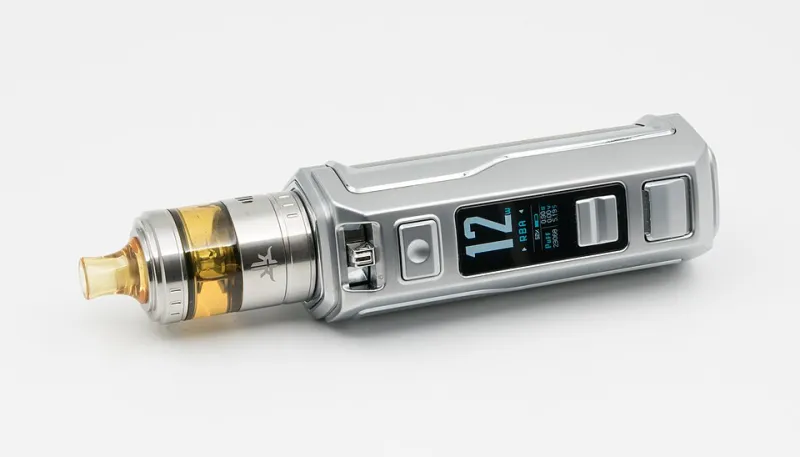
Photo: Jacek Halicki, CC BY-SA 4.0, via Wikimedia Commons
You've been vaping long enough to notice it. That weird, muted draw you get when it's 20 degrees outside. The leaking tank that seemed fine yesterday but is suddenly a mess after sitting in a hot car. The battery that's supposed to last all day but dies by noon in July.
You're not imagining it. Your vape setup is genuinely affected by ambient temperature and humidity — more than most people realize — and if you're not accounting for it, you're probably blaming the wrong things when your experience goes sideways.
Let's break it down season by season.
What Cold Weather Does to Your Vape
Winter is hard on electronics in general, and vape devices are no exception. There are three main things happening when temperatures drop.
Battery performance tanks — literally. Lithium-ion cells don't like cold. The chemical reactions inside the battery slow down in low temperatures, which means your cells deliver less voltage than they would at room temperature. You'll notice this as reduced vapor production, weaker hits, and a battery indicator that seems to drop faster than usual. If you're an outdoor worker in the Midwest or spend time on the slopes in Colorado, this is something you're probably already feeling.
The fix: keep your device warm. Your jacket's inner pocket is your friend. Body heat does more to maintain battery performance than any settings adjustment. Avoid leaving your device in a cold car overnight — that's one of the faster ways to degrade your cells over time.
E-liquid gets thick and sluggish. High-VG liquids are already more viscous than PG-heavy blends at room temperature. Drop the ambient temp significantly and they get even thicker, which means your wick struggles to saturate fast enough to keep up with your draw. The result is dry hits, muted flavor, and potentially a burned coil if you're not paying attention.
If you're a max-VG person living somewhere cold — Pacific Northwest winters, New England, the upper Plains — consider running a slightly higher-PG ratio during winter months. Even a 70/30 VG/PG blend will flow meaningfully better than an 80/20 or 90/10 when temperatures are low.
Throat hit gets harsher. Cold, dry air amplifies the sensation of vapor on your throat. If you're stepping outside for a vape in January and finding the hit sharper than usual, that's not your nicotine level changing — it's the air itself. Adjusting your airflow slightly more open can help smooth things out, and dropping your wattage a notch or two will reduce the temperature of the vapor itself.
Condensation: The Winter Problem Nobody Talks About Enough
Here's one that catches people off guard. When you move from a cold environment into a warm one — say, from outside into a heated building — condensation can form inside your device. Moisture accumulates in your tank, your airflow channels, and sometimes even works its way into the mod itself.
Over time, this contributes to gurgling, flooding, and in worst cases, moisture damage to your device's electronics. If you're constantly moving between cold and warm environments, let your device warm up gradually rather than immediately taking a draw. A minute or two makes a difference.
Summer's Whole Different Set of Problems
Heat creates an almost opposite set of issues, and in some ways they're harder to manage because you have less control over ambient temperature.
Liquid thins out and leaks. High heat reduces viscosity, and in a tank or pod system, that means e-liquid flows more freely than your coil and wicking system are designed to handle. Leaking from the airflow vents is the most common symptom. If your tank is suddenly flooding in summer when it was fine all winter, temperature is almost certainly the culprit.
Keep your device out of direct sunlight and avoid leaving it in hot cars. The interior of a parked car in summer can reach temperatures that will damage your device and degrade your liquid — not to mention the safety implications for any batteries inside. A simple carry pouch or bag pocket does a lot to shield your setup.
Battery safety becomes a more serious concern. Lithium-ion batteries have a thermal runaway risk at high temperatures. This isn't meant to scare you — it's rare and modern devices have protections built in — but it's worth knowing that heat accelerates battery degradation and raises the floor on risk. Don't charge your device in direct sunlight, don't leave it in a hot car, and if your mod ever feels unusually warm to the touch, give it time to cool down before using it.
Flavor gets weird. E-liquid stored in heat degrades faster. The nicotine oxidizes, the flavor compounds break down, and what was a crisp, clear profile can start tasting flat or off. If you buy juice in larger quantities, store your reserves in a cool, dark place — a cabinet away from windows works well. Only keep what you're actively using in your carry bottle.
Humidity: The Variable Nobody Accounts For
Humidity matters more than most vapers give it credit for. High humidity — think Florida summers, Gulf Coast climates, Pacific Northwest rain seasons — affects how vapor feels and how your device handles moisture over time. The vapor itself is less visible in humid air (which is why outdoor clouds seem to disappear faster in humid conditions), and prolonged exposure to humid environments can work its way into devices that aren't well-sealed.
Low humidity — high desert, mountain climates, heated indoor air in winter — makes throat hit more pronounced and can dry out your lips and throat faster. Staying hydrated helps more than any equipment tweak here.
A Quick Seasonal Checklist
Rather than overhauling your setup for each season, a few small adjustments go a long way:
Winter: Move to a slightly higher-PG liquid, keep your device close to your body when outside, charge at room temperature, and watch for condensation when moving between environments.
Summer: Store juice away from heat and light, avoid leaving your device in hot cars, check your tank for leaks more frequently, and give your batteries regular rest if you're in a hot climate.
Year-round: Keep your device clean. Residue in your airflow channels makes every temperature-related issue worse. A clean device adapts better to whatever conditions you throw at it.
Your setup doesn't need to be different for every season — it just needs a little attention when the weather shifts. That's it. Small adjustments, consistent performance, no matter what's happening outside.