Stale Clouds Ahead: The Hard Truth About How Long Your E-Liquid Actually Stays Good
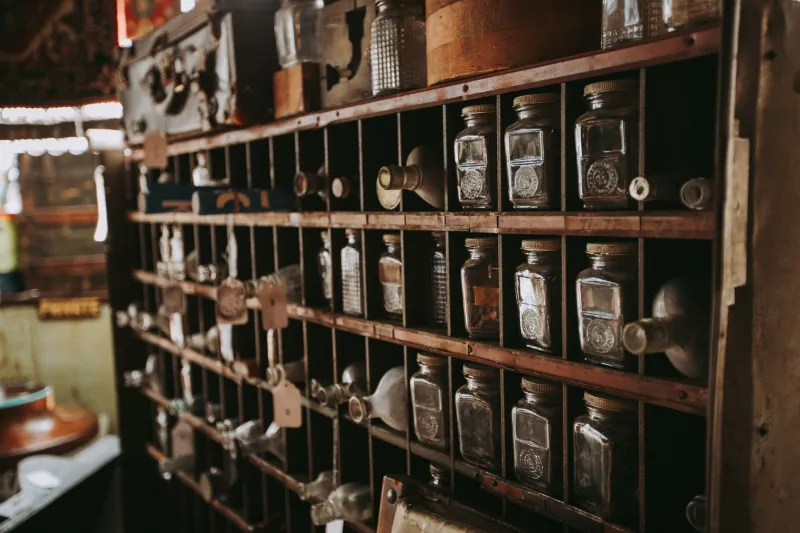
Most vapers have one. A shoebox, a junk drawer, a dedicated shelf — some kind of holding zone where bottles go to wait. Maybe you grabbed a few extras during a sale, or you ordered a flavor that turned out to be just okay, or you swapped devices and the juice you loved on one setup doesn't work on the other. Whatever the reason, those bottles pile up fast.
Here's the uncomfortable part: e-liquid doesn't age like wine. It doesn't get more complex or interesting sitting in a drawer for eight months. What it actually does is slowly degrade — and if you're not paying attention, you might not notice until you're several puffs into something that tastes faintly like wet cardboard.
Let's break down what's really happening inside those bottles, and what you should actually do about it.
What's Actually Going On Inside a Bottle of Juice
E-liquid is a mixture of a few core ingredients: propylene glycol (PG), vegetable glycerin (VG), flavoring compounds, and usually nicotine. Each of those components reacts differently to time, heat, light, and air exposure — and not in ways that do you any favors.
Nicotine is the most reactive element in the mix. When it oxidizes — which happens gradually every time a bottle is opened or exposed to light and warmth — it breaks down and loses potency. That's why a bottle of 6mg that sat open for six months might hit noticeably softer than a fresh one at the same strength. The nicotine is still there chemically, but it's not delivering the same effect.
Flavoring compounds are even more fragile. They're often made from a combination of natural and artificial flavor molecules that can separate, evaporate, or chemically react with the other ingredients over time. The result? Muted taste, off-notes, or that vague "something's wrong but I can't put my finger on it" sensation that experienced vapers know too well.
VG and PG themselves are relatively stable, but they can still absorb odors from their environment and contribute to an overall flatness in older juice.
Opened vs. Sealed: The Difference Is Bigger Than You Think
Manufacturers typically print a "best by" or expiration date on bottles — usually one to two years from production. That date assumes the bottle hasn't been opened. Once you crack the cap, the clock moves significantly faster.
A sealed bottle stored properly? You've probably got 12 to 24 months of usable life, sometimes longer for simpler flavor profiles. An opened bottle? Realistically, you're looking at three to six months before quality starts to noticeably drop, and that window shrinks fast if storage conditions aren't great.
The variables that matter most:
- Heat — Warm environments accelerate oxidation and flavor breakdown. Leaving bottles in a car during a Texas summer is essentially speed-aging your juice.
- Light — UV exposure degrades nicotine quickly. Clear bottles stored on a sunny windowsill are a bad idea.
- Air — Every time you open a bottle, oxygen gets in. Bottles that are half-empty have more air in contact with the liquid, which speeds up the process.
- Humidity — High moisture environments can affect the consistency of the liquid and potentially introduce contamination over time.
The Storage Mistakes Vapers Make All the Time
The fridge gets recommended a lot, and honestly, it's not the worst idea — cool, dark, consistent temperature. But there's a catch: condensation. If you pull a cold bottle and immediately open it, moisture can get into the mix. Let it come to room temperature first before opening.
The freezer is trickier. VG doesn't fully freeze, but extreme cold can cause some separation in complex flavor blends. You'd need to shake thoroughly and let it warm up before using, and even then, results are mixed.
What most people actually do — and shouldn't — is store bottles loose in a drawer with fluctuating temperatures, sometimes near a window, caps not fully tightened, and completely forget about them for months. That's the recipe for a collection of bottles that technically contain e-liquid but practically taste like disappointment.
How to Actually Read Whether a Bottle Has Turned
You don't need a lab to figure out if your juice is past its prime. Your senses will tell you most of what you need to know.
Color change is the most obvious sign. Some darkening is normal — especially in nicotine-containing juice, where oxidation causes a natural amber or brown shift. But if a juice that was once light yellow is now dark brown or has visible particles floating in it, that's a red flag.
Smell test comes next. Good juice smells like what it's supposed to taste like. If the scent is flat, chemical, sour, or just "off" in a way you can't describe, trust your nose.
Consistency matters too. If the liquid has separated and doesn't blend back together with a good shake, or if it looks unusually thick or syrupy compared to when it was fresh, something's changed.
The vape test is the final check. If the flavor profile tastes muted, harsh, or just wrong on a clean coil with fresh wicking — and it wasn't always that way — the juice is likely past its best.
Building a Smarter Rotation System
The fix for a museum of regret is simple in theory: first in, first out. Use older bottles before newer ones. Don't buy more than you can reasonably consume within a few months of opening.
Practically speaking, a few habits help a lot:
- Label your bottles with the date you opened them. Sounds tedious, but a piece of tape and a marker takes five seconds and saves you from mystery juice situations.
- Keep your stash small. Buying in bulk during sales feels like smart economics until half of it degrades before you get to it.
- Dedicated storage matters. A small box or cabinet away from heat and light sources — not the kitchen counter, not the bathroom shelf — goes a long way.
- Audit regularly. Every couple of months, go through what you have, sniff-test the older bottles, and be honest about what's worth keeping.
When to Just Let It Go
This is the part vapers resist. Nobody wants to throw away juice they paid for. But vaping degraded liquid on a good coil is a waste of the coil, and it's not a great experience anyway.
If a bottle fails the smell test or the color looks significantly off, toss it. If you opened it more than six months ago and it's been stored in less-than-ideal conditions, it's probably not doing you any favors. And if you genuinely can't remember when you opened it — that's your answer right there.
A tight, curated stash of juice you actually enjoy beats a collection of bottles you feel obligated to finish any day of the week. Keep it fresh, keep it simple, and your vape experience stays where it should be — exactly what you paid for.