Open the Drawer: It's Time to Get Honest About the Gear You've Been Hoarding
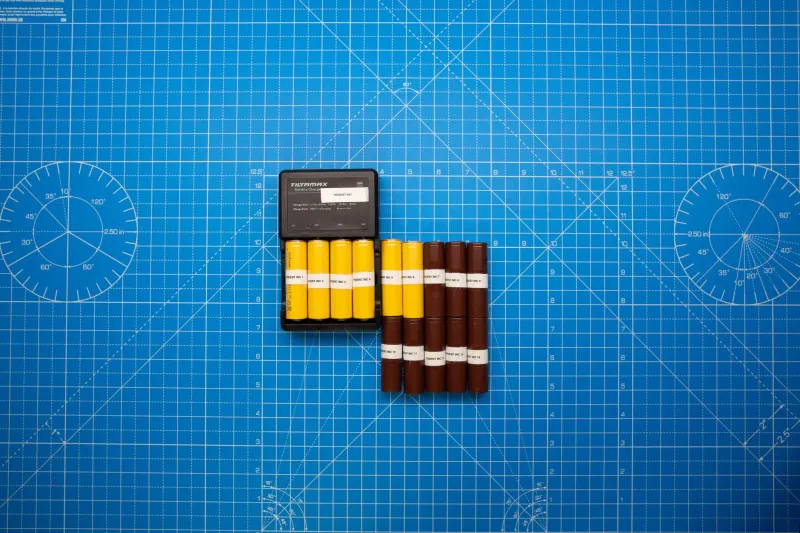
Let's be real. Somewhere in your home — probably a kitchen drawer, a nightstand, or the bottom of a backpack you haven't opened since last spring — there's a graveyard of vape gear. A mod with a cracked screen. Three atomizers you swore you'd rebuild someday. A handful of 18650s whose charge capacity you genuinely have no idea about. Maybe a starter kit from three years ago that you kept "just in case."
We've all been there. It's not a character flaw — it's just what happens when you've been vaping for a while and you actually care about your setup. Gear accumulates. Upgrades happen. Old stuff gets pushed to the back. And before you know it, you've got a mini warehouse of equipment that isn't doing anything except reminding you of money you've already spent.
Here's the thing though: that drawer isn't neutral. Dead gear has a cost — in space, in mental clutter, and sometimes in real safety risk. So let's go through it together.
Start With the Batteries — No, Seriously, Right Now
Batteries are where this conversation has to start, because this isn't just about organization. It's about safety.
Pull out every 18650, 21700, and 20700 you own. Look at each one. If the wrap is torn, nicked, or peeling anywhere near the top or bottom, that battery needs to go — full stop. A compromised wrap on a lithium-ion cell isn't a "maybe fix it later" situation. It's a vent or short waiting to happen.
Next, think about age. If you can't remember when you bought a battery, that's already a sign. Most quality cells from reputable brands (Sony, Samsung, Molicel, Murata) are good for somewhere between 300 and 500 charge cycles under normal use. If you've been vaping daily on the same set for two or more years, capacity has degraded whether you can feel it or not. A battery that used to get you through a full day might now be struggling by mid-afternoon — and that strain on the cell isn't great for your device either.
Keep the batteries in good shape. Recycle the questionable ones responsibly. Many Home Depot and Best Buy locations in the US accept lithium-ion batteries for recycling, so there's no excuse to just toss them in the trash.
The Atomizer Situation Is Probably Worse Than You Think
Atomizers are the most common hoarder item in any vaper's collection. They're small, they seem like they might be useful again someday, and they're easy to toss in a box and forget about.
Go through them one by one and ask yourself a few honest questions:
Does it fire? Grab your main mod and test it. If it's not reading, the coil is likely toast or the connection pin has corroded. If you're not willing to clean it up right now, you're probably not going to.
Is the glass intact? Cracked or chipped glass on a tank isn't just cosmetic — it's a leak risk and a potential safety issue. Replacement glass is cheap, but only worth buying if you actually plan to use the tank.
When did you last enjoy vaping from it? This one's more personal, but it matters. If a tank gave you grief — leaking, muted flavor, whatever — and you swapped it out for something better, the odds of you going back to it are low. Nostalgia isn't a good enough reason to keep it around.
If an atomizer passes the test and you genuinely see yourself using it as a backup, clean it out properly, store it dry, and put it somewhere intentional. Everything else? Let it go.
That Old Mod in the Corner
Mods are where vapers tend to get the most sentimental. There's something about a device that's been with you through a lot of late nights and road trips that makes it feel wrong to part with.
But here's a practical filter: does it still function correctly? Not just "kinda works" — actually functions the way it should. Accurate wattage delivery, a screen that reads clearly, a firing button that doesn't stick or require three presses to activate. If the answer is yes, it's a legitimate backup. If it's no, it's a paperweight with nostalgia attached.
Also worth considering: does it take batteries you still have? If you've moved on to 21700 cells and this old mod only runs 18650s, you're maintaining two separate battery ecosystems just to keep a device you never use. That's not a backup — that's overhead.
The Real Cost of the Drawer
Here's the part that stings a little. Go through your pile and do a rough mental tally of what everything cost when you bought it. For most vapers who've been in the hobby a few years, that number is higher than expected. Sometimes way higher.
The goal isn't to make you feel bad — it's to make the next purchase decision clearer. That "I'll just grab it, it's only twenty bucks" mentality is exactly how the drawer got full in the first place. When you can see the accumulated cost of gear you don't use sitting right in front of you, it has a way of sharpening your thinking before you click "add to cart" on the next thing.
Ask yourself before the next purchase: does this solve an actual problem I have right now, or does it just look cool? Is this replacing something that's worn out, or is it a sixth option in a collection that already has five?
What to Do With What You're Letting Go
Don't just trash functional gear. The vaping community has a solid resale ecosystem — local Facebook groups, Reddit's r/Ecigclassifieds, and various Discord servers are all places where used gear in good condition finds new homes quickly. Even older mods or tanks that aren't your style might be exactly what someone else is looking for.
For gear that's too worn to resell but still functional, some local vape shops will accept donations or know of community members who could use it. It's worth asking.
And for anything truly dead — cracked tanks, fired-out coils, wrecked mods — most electronics recycling centers will take them. Don't let them go into a landfill if you can help it.
Come Out the Other Side With a Cleaner Setup
The point of all this isn't minimalism for its own sake. It's clarity. When you know exactly what you have, what works, and what you actually enjoy using, you stop making reactive purchases. You stop buying duplicates. You stop keeping things "just in case" when the real answer is just that you feel guilty about getting rid of them.
A clean, intentional kit — one great daily driver, one solid backup, batteries you actually trust — is more satisfying than a drawer full of maybes. Do the audit. It takes an hour, and it's worth every minute.