Ghost Clouds Don't Exist: What You Can Actually Control About Vapor Visibility
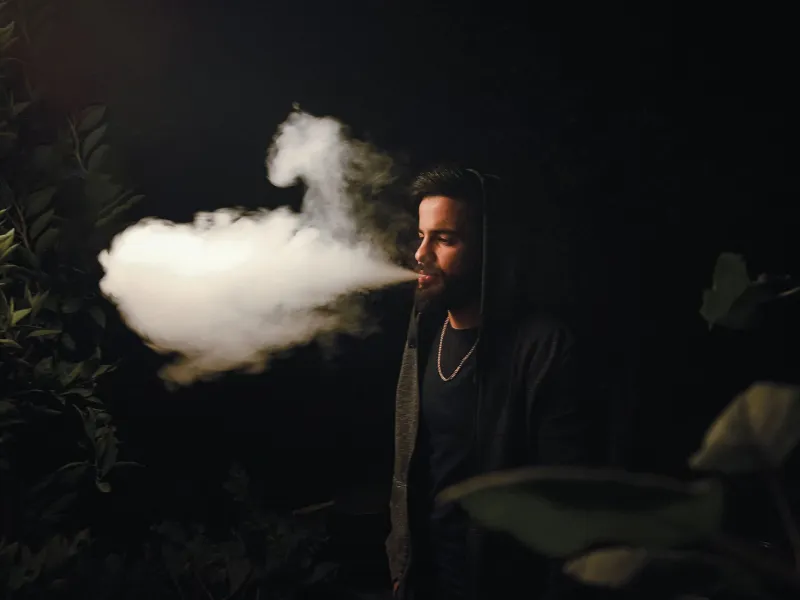
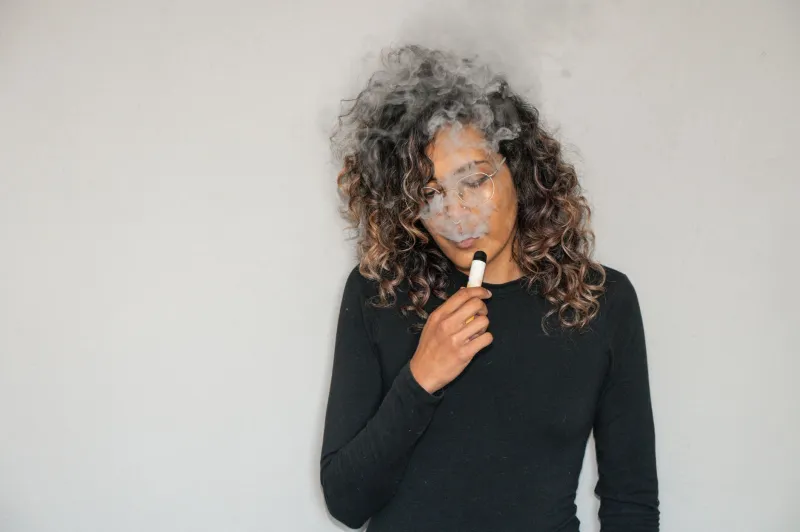
There's a persistent belief floating around vaping circles that if you dial in the right device, the right settings, or the right technique, you can produce vapor that's essentially invisible. Zero cloud. No trace. Pure stealth.
It's a compelling idea. And it's mostly not true.
That doesn't mean you're stuck blowing massive plumes everywhere you go — there's a real spectrum here, and where you land on it is absolutely influenced by choices you make. But the gap between "less visible" and "invisible" is bigger than a lot of people realize, and some of the gear marketed around this concept oversells what's physically possible.
Let's break down what's actually happening when vapor forms, why it shows up the way it does, and what levers you can actually pull.
First, Why Vapor Is Visible at All
When you exhale after a hit, you're releasing a mix of water vapor, propylene glycol (PG), vegetable glycerin (VG), and whatever flavoring compounds are in your e-liquid. That cloud you see? It forms the same way your breath is visible on a cold morning — microscopic droplets suspended in the air catch and scatter light.
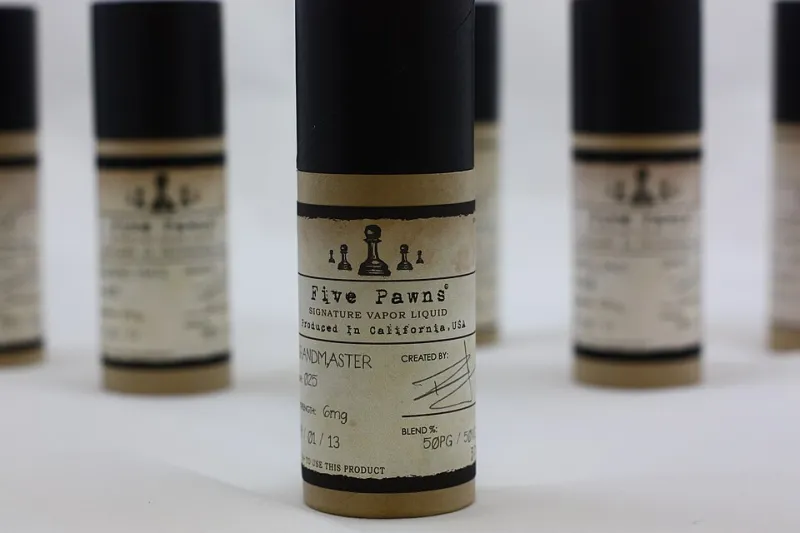
VG is the big player here. It's thick, it aerosolizes easily, and it produces dense, slow-dissipating clouds. PG, by comparison, is thinner and produces much finer aerosol — still visible, but noticeably lighter. High-VG blends are the backbone of cloud culture for exactly this reason. High-PG blends are what pod systems and low-wattage devices tend to favor, partly because they hit differently and partly because the output is less dramatic.
The point is: as long as you're exhaling something, there's going to be some visibility. Physics isn't optional.
What Wattage Actually Does to Your Cloud
This one's straightforward but worth spelling out. Higher wattage means more heat, which means more liquid vaporized per puff, which means more aerosol in your exhale. If you're running a sub-ohm tank at 80 watts, you're producing a lot of vapor. That's the math.
Drop down to a low-wattage pod device — something in the 10 to 20 watt range — and the output shrinks significantly. Not because the device is doing anything magical, but because you're simply converting less liquid into aerosol with each draw.
This is the most reliable way to reduce visible output: use a lower-powered device. It won't make you invisible, but the difference between a high-powered mod and a compact pod is real and noticeable.
Airflow: The Variable People Underestimate
Airflow affects vapor density in a way that surprises a lot of vapers. When you restrict airflow on your device, you get a warmer, denser hit — the vapor is more concentrated. Open up the airflow and you're pulling in more ambient air with each draw, which dilutes the aerosol before it even hits your lungs.
More dilution on the inhale means less dense exhale. It's not dramatic, but it's real.
Tight MTL (mouth-to-lung) draws on a restricted airflow device will generally produce less visible exhale than wide-open DTL (direct-to-lung) pulls — partly because of the airflow mechanics and partly because MTL devices tend to run at lower wattage to begin with. The two factors compound each other.
The Role of Ambient Temperature and Humidity
Here's something that catches people off guard: the same setup, same settings, same technique can produce dramatically different visible output depending on where you're standing.
Cold air makes vapor clouds more visible. The same principle behind seeing your breath in winter applies here — cold air can't hold as much moisture, so the aerosol condenses faster and scatters more light. Step outside on a January morning and your pod system will look like it's producing way more vapor than it does in your living room in July.
Humidity plays a role too. In very dry environments, vapor dissipates faster. In humid conditions, it lingers.
None of this is something you can control in the moment, but it's worth knowing — especially if you're trying to be low-key in a specific setting. The same behavior that's barely noticeable on a warm afternoon can look very different on a cold, damp evening.
Technique: The Part That's Actually in Your Hands
Setting aside gear and environment, how you vape matters more than most people give it credit for.
Shallow draws produce less aerosol than deep lung hits. Shorter hold times — or no hold time at all — mean less vapor absorbed and more exhaled. Exhaling slowly and deliberately allows the cloud to dissipate before it travels far. Exhaling through your nose filters some of the aerosol through your nasal passages, which reduces visible output compared to a direct mouth exhale.
None of these tricks make you invisible. But combined, they can make a real difference in how much attention your exhale draws.
What the Marketing Gets Wrong
You've probably seen devices marketed with language around "discreet vapor" or "ultra-low profile output." Some of that is legitimate — compact pod systems genuinely do produce less vapor than high-wattage rigs. But the framing sometimes implies a level of stealth that isn't realistic.
No device currently on the market produces zero visible exhale under normal conditions. If someone is close enough and paying attention, they're going to notice. The goal of a lower-output setup is to produce less — to reduce, not eliminate.
That's still a worthwhile goal. Less visible output is genuinely useful in plenty of situations. But going in with realistic expectations means you won't be caught off guard when your "stealth" setup still produces a visible puff on a cold day.
Building a Setup Around Real Expectations
If lower visibility is actually a priority for you — not just a nice-to-have — here's what a practical approach looks like:
- Go with a higher-PG e-liquid, ideally 50/50 or higher PG ratio. Less VG means less dense aerosol.
- Use a low-wattage pod or MTL device rather than a sub-ohm setup.
- Keep airflow moderate to restricted rather than fully open.
- Adjust your technique: shorter draws, slower exhales, nose exhales where possible.
- Be aware of your environment — temperature and humidity will affect what people see regardless of your setup.
That combination won't make you a ghost. But it'll put you on the lower end of the visibility spectrum, and that's a real and achievable outcome.
The stealth vape myth isn't about whether discretion is possible — it absolutely is, to a degree. It's about the difference between managing your output and eliminating it. Once you understand what you're actually working with, you can make smarter choices about your gear, your settings, and your habits. That's a better foundation than chasing a promise that physics was never going to keep.