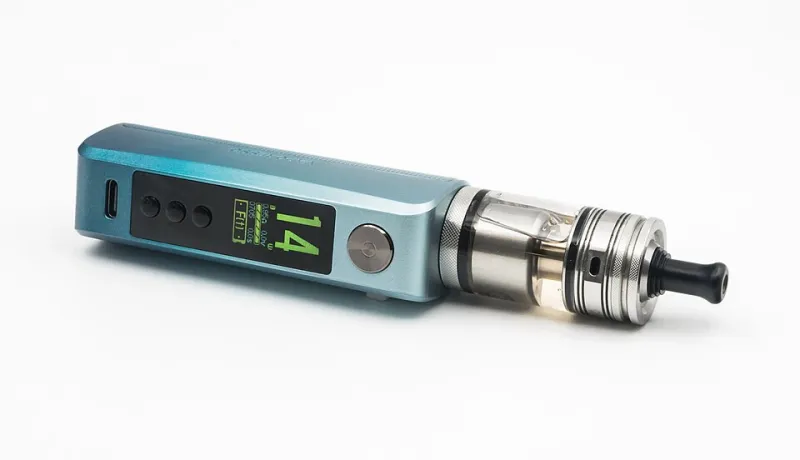
The Ratio That Changes Everything: What PG and VG Actually Do to Your Vape
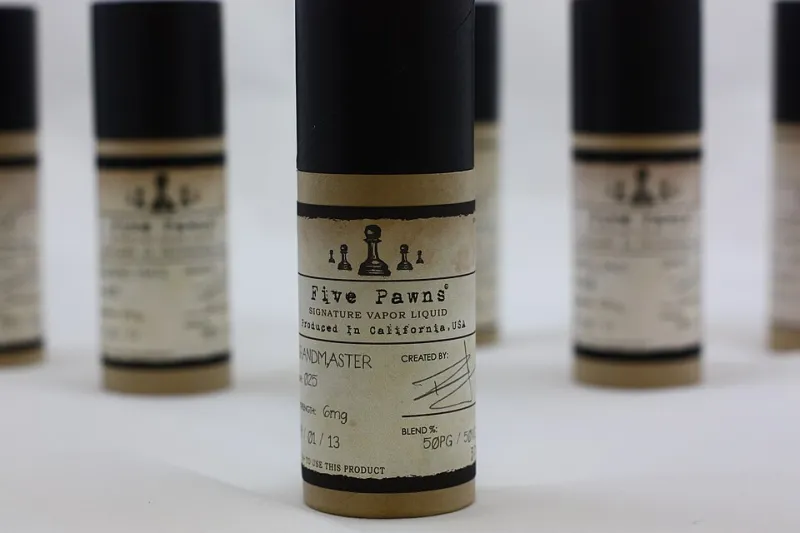
Photo: Lindsay Fox from Newport beach, United States, CC BY 2.0, via Wikimedia Commons
If you've ever grabbed two bottles of the same flavor from two different brands and thought, these taste nothing alike, the culprit is probably hiding right there on the label. That PG/VG ratio — the one most people glance at and ignore — is quietly controlling your cloud size, your throat hit, your flavor intensity, and even whether your device can handle the juice at all.
Let's break it down in plain English.
Two Ingredients, Very Different Jobs
Propylene glycol (PG) and vegetable glycerin (VG) are the two base carriers in virtually every e-liquid on the market. They're both FDA-recognized as safe for consumption, and they both carry flavor and nicotine — but that's pretty much where the similarities end.
PG is thin, almost watery. It's a strong flavor carrier, meaning it does a better job of holding onto and delivering the taste profile your juice is supposed to have. It also produces a noticeable throat hit — that slightly sharp sensation in the back of your throat that a lot of former smokers find satisfying. The downside? It doesn't produce much vapor. A high-PG juice is going to give you a pretty modest cloud.
VG is the opposite in almost every way. It's thick — closer to syrup than water — and it produces dense, billowy clouds. If you've ever watched a cloud chaser push out a massive plume that fills a room, they're running a high-VG blend. But VG mutes flavor a little, delivers a smoother (almost sweet) draw, and because of its viscosity, it can gunk up coils faster and doesn't play well with every device.
What the Numbers Actually Mean
When you see a ratio like 70/30, the first number is always VG and the second is PG. So a 70/30 blend is 70% vegetable glycerin and 30% propylene glycol. Here's a quick reference for how the common ratios tend to perform:
50/50 (Equal Parts) This is the balanced middle ground. You get a decent throat hit, solid flavor delivery, and enough vapor production to feel satisfying without going overboard. It's also the most forgiving ratio for a wider range of devices, including pod systems and starter kits. If you're new to vaping or just want something that works reliably across the board, 50/50 is a great starting point.
60/40 or 70/30 (VG-Leaning) Once you tip the scale toward VG, you start getting noticeably bigger clouds and a smoother inhale. Flavor is still present but slightly softened. These ratios are popular with intermediate vapers who want more vapor production without going full cloud-chaser mode. Most sub-ohm tanks handle these blends well.
Max VG (80/20 or Higher) This is the territory of serious cloud production. High-VG blends are thick, smooth, and built for low-resistance coils and high-wattage devices. Flavor can feel a little muted compared to lower-VG options, but the sheer density of the vapor compensates in a different way. The catch: max VG juices will wear out your coils faster, and they don't work well in pod systems or devices with small coil openings — the liquid is simply too viscous to wick properly.
High PG (30/70 or 40/60) High-PG blends are less common in the US market now, but they still have a place. They're ideal for mouth-to-lung (MTL) devices, which mimic the draw of a cigarette. The strong throat hit and sharp flavor delivery make them popular with people transitioning from smoking. They also work well with nicotine salts, where a smooth hit matters less than efficient nicotine delivery.
Device Compatibility: This Part Actually Matters
Here's where a lot of vapers run into problems. Picking a juice without thinking about your device is like putting the wrong fuel in a car — it might technically run, but you're not going to get the best performance, and you might cause some damage along the way.
- Pod systems and MTL devices are typically built for thinner liquids. Stick with 50/50 or higher-PG blends. Running a max VG juice through a pod system will likely result in dry hits, burnt coils, and a frustrating experience.
- Sub-ohm tanks are designed for thicker, high-VG liquids. They have larger wicking ports and run at higher wattages, which means they need the extra vapor production that VG provides. A high-PG juice in a sub-ohm setup will taste harsh and may not produce enough vapor to feel satisfying.
- Rebuildable atomizers (RDAs/RTAs) give you the most flexibility since you're controlling the wick yourself, but most builders working with these setups lean heavily toward high-VG.
Matching Your Ratio to Your Vaping Style
Once you understand what each ingredient does, picking a ratio becomes pretty intuitive:
- You're a cloud chaser: Go max VG. Pair it with a high-wattage sub-ohm mod and low-resistance coils.
- You're all about flavor: A 60/40 or 50/50 blend will give you the best flavor resolution. High PG enhances the nuances in complex profiles.
- You want that throat hit: Bump the PG up. A 40/60 or 50/50 blend with freebase nicotine will give you that satisfying bite.
- You're transitioning from cigarettes: High-PG with nicotine salts in a pod system is probably your smoothest path forward.
- You just want something versatile: 70/30 VG/PG is a solid all-around choice that works in most setups without extreme trade-offs.
One More Thing Worth Knowing
Some vapers are sensitive to PG. It's not super common, but it does happen — symptoms can include a scratchy throat, dry mouth, or mild skin irritation. If you've been vaping and something just feels off, try switching to a higher-VG blend and see if things improve. Most people tolerate both ingredients fine, but it's worth knowing the variable exists.
At the end of the day, the ratio on your bottle is one of the most controllable variables in your entire setup. Experiment with a few different blends, pay attention to how your device responds, and you'll dial in your perfect experience faster than you'd expect.